

What Are EICR Certificates and Why Are They Important?
The EICR certificate is a crucial document that can help you protect your property and residents. It will show the electrical appliances that are most likely to cause fires or shocks.
It will also examine the electrical fittings and installations of your home to ensure they meet regulated standards. Regular inspections are crucial to stop accidents and injuries from happening.
Why do I require an EICR?
All landlords who rent their properties to private areas will be required to adhere to new legislation that requires a valid EICR certificate in April 2021. This applies to both new tenancies and ones that have been renewed.
An EICR is a vital document that will help you ensure the security of your property. It describes the condition of your electrical system and any potential issues. This includes any risk like inadequate insulation, defective wiring and fires.
In many instances, these issues may be hard to spot but by performing regular EICR checks they can be identified prior to them becoming a problem and can be addressed. This can save lives and prevent serious injuries.
The first step in getting an EICR is to make an appointment for an appointment with an experienced electrician who will carry out the inspection. electrical certificate involves a visual inspection of the electrics of the house and look for signs of wear and tear like broken cables or power switches.
Once the visual inspection is complete The inspector will conduct an electrical test to check that your property's electrics are safe and conform with current standards. This involves both live (power on) and dead (power off) testing.
While the majority of the testing can be done while your electrical power is on, some tests require that they be shut off. This allows the tester to get access to areas of the property that are otherwise difficult or even impossible.
An EICR report, which will include details of the inspection as well as the test results, will be produced following the test's completion. It will also give you suggestions on how you can improve the security of your electrical installation and assist you ensure compliance with the latest electrical safety standards.
Some insurance companies won't insure you even if you don't possess an up-to-date EICR certificate. This certificate can prove to be very useful as it can prove that you have taken the proper measures to prevent electrical problems in your home. It also protects your finances in the event you need to submit a claim to your insurer.
What is an EICR?
An EICR certificate is a legal document that has to be produced after an electrical inspection. It identifies any problems in the electrical wiring of your home against the UK standard - BS7671 Requirements for Electrical Installations (IET Wiring Regulations).
In addition to safeguarding your tenants and you from the dangers of electrical short circuits and fires, an EICR certificate will also help prevent the need to pay expensive repairs or reparations. It also gives you the peace of mind that you're in compliance with the law and provides you with evidence in the event of any insurance claims.
An approved contractor or qualified electrician will perform the EICR. They are registered with the JIB or NICEIC and have an in-depth knowledge of electrical installations. They will conduct an extensive visual inspection and test to find any signs of deterioration or problems. They will then create an EICR report and provide recommendations on any work required to be carried out to bring any installations up to the safety standards.
This may include replacing switches, sockets, fuses and sockets as well as rewiring the parts of the installation and other work to repair the installation. The amount of work needed will depend on the dimensions of your installation, however you should discuss this with the engineer prior to your inspection.
If the building is deemed to be in a satisfactory condition , then you do not require a second inspection for five years. If any work has to be done, you'll need to plan this within 28 days of the time the report is issued.
It is advisable to make sure that you only use skilled and experienced engineers who can create EICRs of top quality. They should have completed a course on inspection and testing , and be registered with the JIB/CPS scheme providers.
A licensed electrician will take a careful review of the complete electrical installation and identify any faults or potential hazards. They will also check that all sockets and wiring are safe and in good functioning condition.
How do I get an EICR?
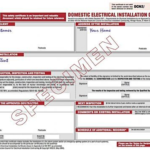
The security of electrical installations can be a concern. They should be checked frequently to ensure that they are functioning properly. This is especially important if you lease your home and have a legal responsibility to ensure that the electrical installations are safe.
A periodic check of your property's wiring will help keep your tenants and clients protected, while making sure you meet the latest regulations. You can also be sure that your property's electrical systems are in good functioning order. This will help you save money on legal costs in the event that you need to pay for damage that was caused or caused by electric fire or shock.
It is necessary to make an appointment with an electrician to inspect your electrical installation and prepare the report. The electrician will look over the electrical installation and check for any potential hazards.
If they spot any problems when they spot any issues, they will note the code number and the nature of the problem on the report. The code numbers are very important because they help the electrician identify which parts of the electrical installation require to be repaired urgently and as quickly as is possible.
In some cases an inspector may recommend that you take action to fix the issue yourself. This is referred to as "remediation" and you must know that the local authority has an obligation to repair the problem within 28 days.
The engineer will then review the report with you and give you advice on any necessary work that must be completed. This could include fixing specific parts of the electrical installation or replacing them altogether.
You don't have to take any action immediately after the inspection, but it's best to make these repairs before the tenant moves in and before your EICR expires. Then, you'll be able show the inspector your current EICR when you sell your property and make it easier to convince potential buyers that your home is secure.
You can make use of Tradify to quickly create, sign and save an EICR form -- it connects to the project you're working on, and it will pre-populate details about the contractor as well as the customer. When you're done, you can send it to the customer to sign and then send it off!
What is the consequence if I don't get an EICR?
It could have a huge impact on the conveyancing process in the event that you don't have an EICR certificate for the property you're letting out. It is advised to notify your solicitor as soon as you can about any issues so that they can help you resolve problems as quickly as is possible.
It doesn't matter if are renting a flat or a home. You must have an Electrical Installation Condition Report (EICR). This signifies that the wiring of your property as well as sockets and consumer units are safe for tenants to use.
In addition, an EICR is an official document that shows that your property is in compliance with certain safety standards and you haven't knowingly broken any law. This is crucial for landlords who want to protect themselves against any claims from their tenants.
Landlords have to give copies of the EICR to their tenants at the beginning of their tenancy, at the time they issue new contracts, and when they renew the tenancy. They should also give an electronic copy of the EICR to any prospective tenant who requests it, within 28 days of their request.
These regulations apply to all tenancies, even holiday rental properties. In some cases landlords might not be aware that their tenants must have an EICR for the duration of their lease.
A landlord who is unable to get an EICR in order can lose the right to rent the property or face fines of up to PS30,000. This is because the landlord has not taken the proper steps to ensure that their property and their tenants are secure.
It is recommended to make sure that all appliances have been checked prior to getting an EICR. This is a quick pass-or-fail test that shows that all your electrical devices are working correctly and are safe to use.
You can also hire a qualified electrician to do the testing. But, it is essential to select an experienced electrician because this will make a significant difference to the result of the inspection.